



Why Choose Us
Our Factory
REALY has a dedicated development facility having a large pool of experienced scientists who are committed to development of IVD Reagents. Our R & D scientists are engaged in process development, process improvement, formulation and analytical development.
Certificate
CE certificates, ISO 13485 quality system certification, Manufacture License, Marketing Authorization in the country of origin.
Service Regions
Real Tech' s sales network has covered more than 80 countries and areas, providing an exciting opportunity for distribution of quality products at a very competitive price. We are dedicated to making the world a better place by providing people with high quality products and services.
Our History
Each year we participate in medical shows in various countries such as Medlab, Medica and AACC etc. We have got CE certificates, ISO 13485 quality system certification, Manufacture License, Marketing Authorization in the country of origin.
Related Product
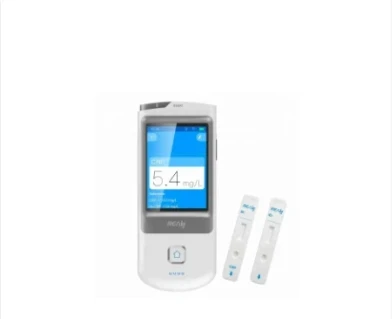
POCT Quantitative Immunoassy Analyzer RL-A2000
Summary: This analyzer is developed by modern optoelectronic technology. It's a portable intelligent analyzer used for quantitative analysis of the rapid tests. Quality reaches up to the excellent level compared to others. It is compatible with REALY reagenttests only.

A rapid, one step test for the quantitative detection of Human Occult Blood in feces. For professional in vitro diagnostic use only. The FOB Rapid Test Device is a rapid chromatographic immunoassay for the quantitative detection of Human Occult Blood in feces.

N-Terminal Pro-Brain Natriurtic Peptide Rapid Test Device
A rapid test for the quantitative assessment of C-reactive protein in human serum, plasma or whole blood. For Professional In Vitro Diagnostic Use Only.

A rapid test for the quantitative assessment of C-reactive protein in human serum, plasma or whole blood. For Professional In Vitro Diagnostic Use Only.

C-Reactive Protein Rapid Test Device
A rapid test for the quantitative assessment of C-reactive protein in human serum, plasma or whole blood. For Professional In Vitro Diagnostic Use Only.

A rapid test for the detection of Group A Streptococcus antigens in throat swab specimens. For professional in vitro diagnostic use only. The Strep A Rapid Test Device is a rapid visual immunoassay, presumptive detection of Group A Streptococcus antigens in human throat swab specimens.

Cardiac Troponin I Rapid Test Device
A rapid test for the quantitative assessment of troponin in human serum,plasma, whole blood. For Professional In Vitro Diagnostic Use Only.

A rapid test for the quantitative assessment of ferritin in human serum, plasma, whole blood. For Professional In Vitro Diagnostic Use Only.
What is Ferritin Test Device?
A Ferritin Test Device is an innovative diagnostic tool designed to measure the concentration of ferritin, a protein that stores iron, in the blood. This device plays a crucial role in assessing iron storage levels within the body, which helps diagnose conditions associated with iron deficiency or overload.
About the Test
The ferritin blood test is an important diagnostic tool used to assess iron levels in the body. It measures the level of ferritin, a protein that stores iron, in your blood. This test is used to diagnose conditions such as iron deficiency or iron overload, which can have significant health implications. It involves taking a blood sample, typically from a vein, and measuring the amount of ferritin present. Results are given as a numerical value, with normal ranges varying based on factors like age and gender. Following any pre-test instructions is crucial for accurate results.
Purpose of the Test
The purpose of the ferritin blood test is to measure the levels of ferritin, a protein responsible for storing iron in the body. This test is commonly used to help diagnose or monitor conditions related to iron deficiency or iron overload. Iron deficiency can result in symptoms like fatigue, weakness, and pale skin, while iron overload may indicate conditions such as hemochromatosis. By assessing ferritin levels, healthcare providers can evaluate a person's iron stores and determine if further investigation or treatment is necessary. The test involves extracting a small blood sample and sending it to a laboratory for analysis. Results are typically available within a few days.
Taking a Ferritin Test
Determining your iron levels is crucial in maintaining optimal health. The ferritin blood test, which measures the levels of ferritin in your blood, plays a key role in this process. Ferritin is a protein that stores iron and regulates its levels in the body. By diagnosing conditions related to iron deficiency or iron overload, this test can help assess whether you have an adequate amount of iron in your body. If you're experiencing symptoms such as fatigue, weakness, or have a family history of iron-related conditions, it's important to consider getting a ferritin blood test. This test is also recommended for monitoring iron levels during pregnancy or for individuals with chronic conditions that affect iron absorption or utilization.
Before the Test
Before undergoing a ferritin blood test, it is crucial to carefully follow the instructions provided by your healthcare provider. These instructions may include fasting or refraining from specific medications. The procedure for the test involves drawing a blood sample from a vein in your arm, which is then sent to a laboratory for analysis. By measuring the levels of ferritin, a protein responsible for storing iron in the body, this test can help determine whether you have an insufficient or excessive amount of iron. Such indications can be linked to various medical conditions or deficiencies, such as iron deficiency anemia or hemochromatosis.
During the Test
It is vital to adhere to specific instructions provided by your healthcare provider before the Ferritin Test, which is used to measure the levels of ferritin, a protein that stores iron in the body. To ensure accurate results, you may need to fast for a certain period of time. During the test, a healthcare professional will obtain a small blood sample from your arm using a needle. This sample will be sent to a laboratory for analysis. Following the guidelines provided by your healthcare provider, such as avoiding certain medications or activities prior to the test, is of the utmost importance.
After the Test
Upon completion of the ferritin blood test, it is advisable to wait for a few days to receive the results from the lab. Once you have received the results, it is crucial to have a discussion with your healthcare provider to analyze and interpret them. If your ferritin levels are found to be low, it could indicate iron deficiency anemia, which might necessitate additional tests to identify the root cause. Conversely, if your ferritin levels are high, it may be indicative of conditions such as hemochromatosis or liver disease. Depending on your specific ferritin levels and any preexisting conditions, your healthcare provider will recommend appropriate treatment options and interventions.
Ferritin Test Results
A ferritin blood test measures the levels of ferritin in the blood, which is a protein responsible for storing iron in the body. The results of this test can provide valuable information about your iron level. Normal ferritin levels can vary based on factors such as age and gender. If your ferritin levels are high, it could indicate iron overload, liver disease, or hemochromatosis. Conversely, low ferritin levels may be indicative of iron deficiency anemia. It's crucial to consult with a healthcare professional to obtain an accurate interpretation of your ferritin test results and determine the next steps for your health care.
Receiving Test Results
After undergoing a ferritin blood test, your healthcare provider will provide you with the test results. These results can reveal the amount of iron stored in your body, allowing for a comprehensive understanding of your health. Interpreting these results is crucial, as normal ferritin levels can vary depending on age, sex, and overall well-being. If your ferritin levels are lower than the normal range, it may indicate iron deficiency anemia or other underlying health issues that require attention. Conversely, higher-than-normal ferritin levels could suggest iron overload or the presence of conditions such as liver disease or hemochromatosis. Make sure to discuss the results and any concerns with your healthcare provider to determine the appropriate course of action.
Interpreting Test Results
Interpreting the results of a ferritin blood test helps determine the amount of iron stored in your body. Normal ferritin levels can vary depending on age, gender, and other factors, so it's crucial to consult a healthcare professional for proper interpretation. Low ferritin levels can suggest iron deficiency, anemia, or other underlying health conditions. On the other hand, high ferritin levels may indicate iron overload, liver disease, or hemochromatosis.
Iron Storage Marker
Ferritin is the primary intracellular protein for iron storage. When the body has sufficient iron, excess iron is stored in the form of ferritin within cells, particularly in the liver, spleen, and bone marrow.
Blood Ferritin Levels
Ferritin is released into the bloodstream in small amounts, and the concentration of ferritin in the blood is proportional to the amount of iron stored in the body.
Indicator of Iron Status
By measuring ferritin levels in the blood, testing can assess the body's iron stores. Low ferritin levels may indicate iron deficiency, suggesting that the body's iron stores are depleted. Conversely, high ferritin levels or iron overload may suggest an excess of iron in the body.
Correlation with Anaemia
Ferritin levels are often used in conjunction with other blood tests, such as haemoglobin and serum iron, to diagnose different types of anaemia. For example, low ferritin levels along with low haemoglobin and serum iron may indicate iron-deficiency anaemia.
Inflammatory Marker
It's important to note that ferritin is also an acute-phase reactant, meaning its levels can increase in response to inflammation or infection. In such cases, elevated ferritin levels may not necessarily reflect an increase in iron stores but could be a response to other health conditions.
How To Detect Ferritin Test Device
Anemia Test
An anemia test is essential to diagnose the cause of a low red blood cell count or low hemoglobin levels, which are indicators of anemia. When a ferritin blood test shows low levels, additional tests are recommended to identify the underlying cause. These tests measure various components, including red blood cell count, hemoglobin levels, and markers of iron deficiency or vitamin deficiencies. Accurate diagnosis assists healthcare providers in determining the specific cause of anemia and enables them to offer personalized treatment options.
Women's Health Test
The Women's Health Test plays a crucial role in evaluating the overall health of women. Along with the ferritin blood test, it is essential to consider other recommended tests to comprehensively assess women's health. These tests provide insights into hormone levels, reproductive health, and the screening of various diseases like cervical cancer, breast cancer, and osteoporosis. By engaging in discussions about individual health concerns and risk factors with healthcare providers, women can make informed decisions about which tests are most suitable for them, enabling them to prioritize their well-being.
Standard Thyroid Test
The standard thyroid test is a crucial companion to the ferritin blood test, as thyroid disorders can disrupt iron absorption and metabolism, resulting in diminished ferritin levels. Through this test, healthcare providers measure the levels of thyroid-stimulating hormone (TSH), free thyroxine (FT4), and sometimes triiodothyronine (T3). If there are any irregularities detected in the thyroid test results, additional tests may be required to identify the root cause of low ferritin levels. To ensure accurate diagnosis and appropriate treatment, it is vital to communicate any concerns or symptoms to your healthcare provider.
Fatigue Test
Persistent tiredness and fatigue can be symptoms of underlying health issues such as iron deficiency, anemia, or thyroid disorders. To determine the cause of your fatigue, a fatigue test may be recommended. This test involves blood work to check for deficiencies in iron, vitamins, or other nutrients, as well as a complete blood count (CBC), thyroid function tests, and tests for liver or kidney function. By identifying any deficiencies, abnormalities, or underlying health conditions, the fatigue test can help guide further treatment or interventions to address your fatigue and improve your overall health.
How Does One Prepare For a Ferritin Test Device?
Fasting
Usually, fasting is not necessary for a ferritin test, but follow any specific instructions given by your health care provider or the lab. Sometimes, you may be advised to avoid eating or drinking anything except water for a few hours before the test, especially if other blood tests are being done simultaneously that require fasting.
Medications
Inform your doctor about any medications, supplements, or herbal treatments you are taking, as some of these can affect ferritin levels. Your doctor might ask you to stop taking certain medications before the test but do not do so without medical advice.
Time of day
The timing of the blood test can sometimes influence the results, so it is often recommended to have blood drawn in the morning.
Physical activity
Avoid strenuous physical activity immediately before the test, as it might affect the results.
Alcohol and smoking
It is advisable to avoid alcohol and smoking before the test, as these can also influence ferritin levels.
Health concerns
If you have any ongoing health issues, particularly those related to inflammation or liver function, discuss these with your healthcare provider, as they might impact your ferritin levels.
Our Factory
REALY has a dedicated development facility having a large pool of experienced scientists who are committed to development of IVD Reagents. Our R & D scientists are engaged in process development, process improvement, formulation and analytical development. This facility is recognized by State Food and Drug Administration, Government of China. COVID-19 Antigen Rapid Test Kits are our main product, including professional tests and home rapid test.

Certifications


FAQ
Hot Tags: ferritin test device, China ferritin test device manufacturers, suppliers, factory, cost effective poct, self testing device, dengue fever testing poct, eating disorder testing poct, smartphone compatible poct, alzheimer s disease testing poct apparatus